Choosing a hotel isn’t just a logistical decision. The type of accommodation directly influences the overall travel experience: the pace, the rest, the relationship with the space, and the level of service you receive.
Many travelers compare prices, location, or size, but overlook a key difference: boutique hotels versus traditional hotels. Understanding what each type offers helps you make a more informed decision, especially when you’re looking for true relaxation and a carefully curated experience.
This comparison is essential for international travelers, business executives, digital nomads, athletes, and couples who prioritize quality of experience over quantity.
Key differences
Although both types of hotels serve the basic purpose of providing lodging, their approaches are very different. These are the differences that most significantly impact the experience.
Scale and atmosphere
A traditional hotel typically operates on a large scale: many rooms, a high volume of guests, and spaces designed to handle large numbers. This can result in more noise, greater activity, and a less personalized experience.
A boutique hotel, on the other hand, operates on a smaller scale. Fewer rooms allow for:
- Quieter environments
- More controlled rhythms
- Greater sense of privacy
For those who value peace and quiet, this difference is apparent from the very first moment.
Service and Guest Relations
In traditional hotels, service is typically structured around standardized protocols. It works, but it rarely adapts to the guest’s specific pace or needs.
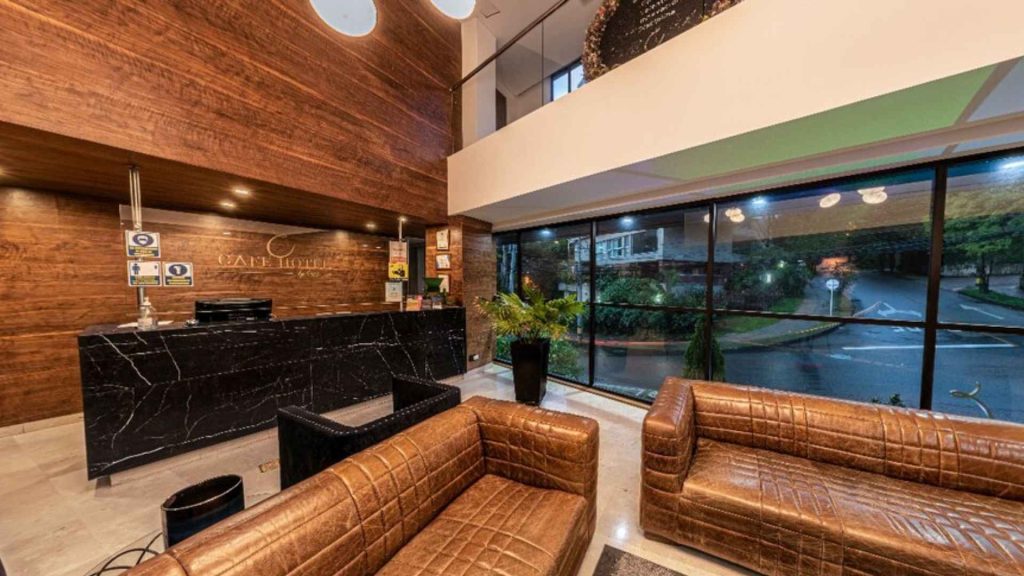
At a boutique hotel, service is central to the experience. The staff is attentive, respectful, and flexible. They get to know guests well, understanding when to step in and when to give them space.
This approach is particularly valued by:
- Executives seeking efficiency without rigidity
- International travelers who prefer to be treated with respect
- Athletes who need order and peace of mind
Rest and the quality of the environment
A good night’s sleep depends not only on the room itself, but on the entire environment. Traditional hotels, due to their size and nature, tend to have more foot traffic, noise, and constant distractions.
A boutique hotel focused on relaxation offers:
- Located in quiet areas
- The hotel's daily routine
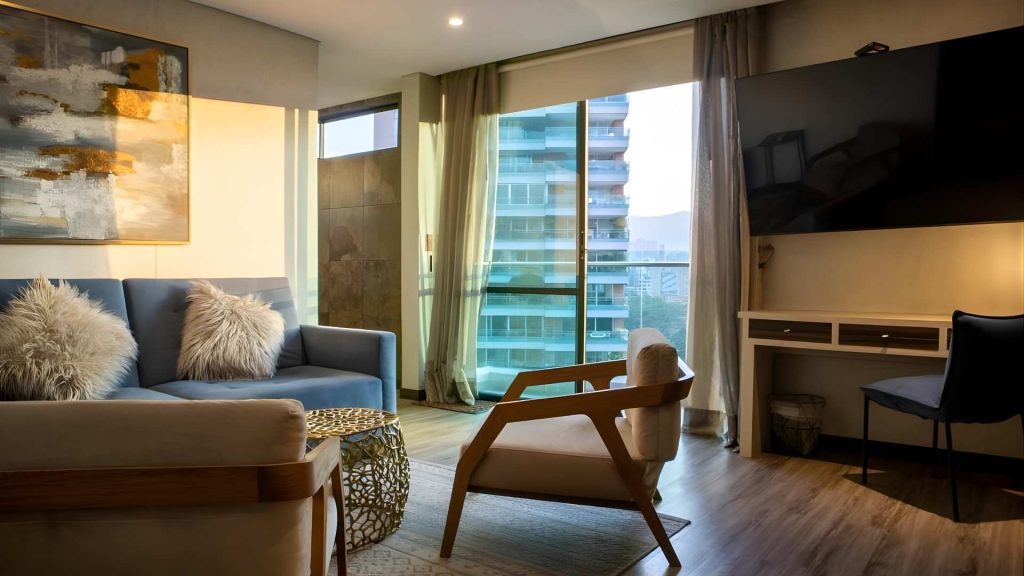
- Design intended to minimize distractions
- Respect for silence
When rest is a priority, these differences become crucial.
User experience vs. functionality
Traditional hotels tend to prioritize functionality and standardization. They get the job done, but they rarely surprise guests or add an emotional touch to the travel experience.
The boutique hotel prioritizes consistency and the guest experience. Every detail—from the design to the daily rituals—is designed to create a specific atmosphere.
For many travelers, this difference determines whether the hotel is just a place to sleep or an essential part of the trip.
What Sets Café Hotel Apart
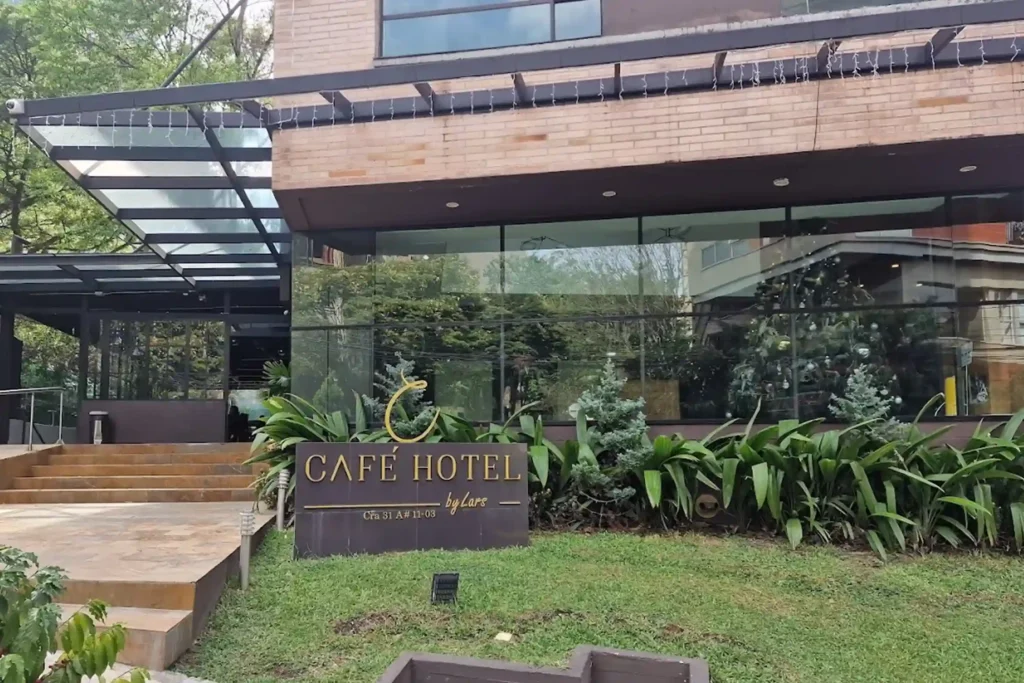
Café Hotel is a prime example of the boutique approach.
As a coffee-themed boutique hotel, Café Hotel combines:
- Reduced scale
- Friendly and personalized service
- Peace of mind as a core value
- Coffee culture as a daily ritual
Located in Las Lomas, El Poblado, its quiet residential setting enhances a truly relaxing experience—one that is hard to find in traditional hotels located in bustling areas.
Café Hotel is particularly ideal for those looking for:
- Sleep well
- Maintain clear routines
- Experience Medellín at a leisurely pace
- Stay in a setting that suits your pace
Here, the difference isn’t just theoretical. You experience it firsthand.
Choosing between a boutique hotel and a traditional hotel means deciding how you want to experience your trip. When comfort, service, and the overall experience matter, the type of hotel makes all the difference.
If you’re weighing your options and want to confirm whether Café Hotel meets your accommodation needs, you can contact Café Hotel directly to get a clear and straightforward answer.