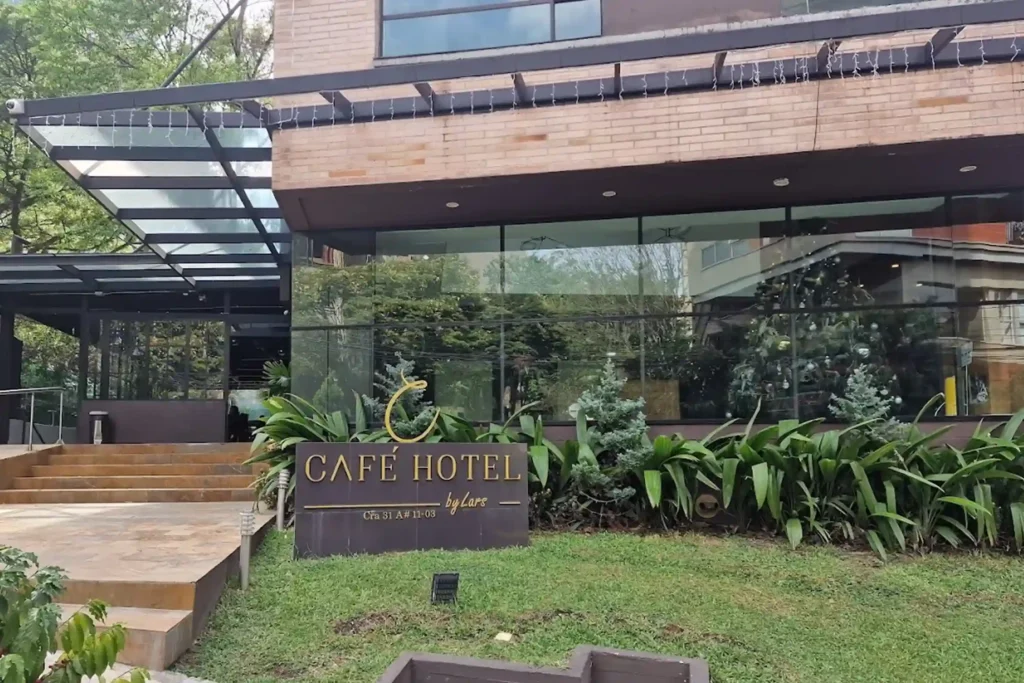
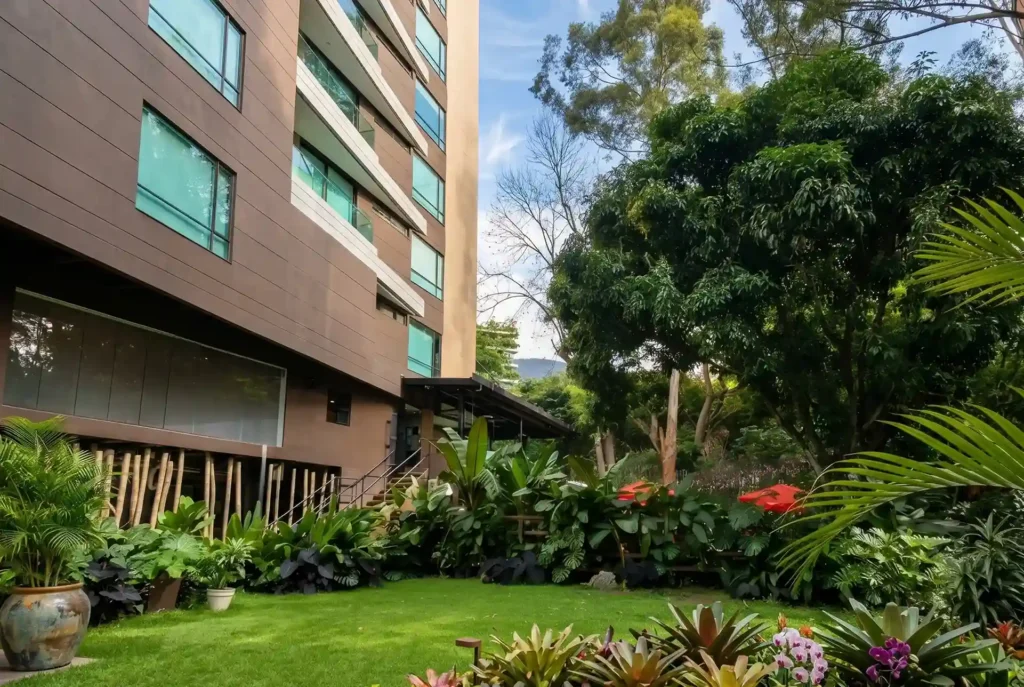
Some hotels are designed to look impressive in photos. They feature large lobbies, shiny materials, and decor that looks great on Instagram but, in person, feels just like a modern airport: spacious, impersonal, and cold.
And there are hotels designed to make your body realize that you’ve arrived somewhere different. That you can slow down. That there’s something alive nearby.
The difference between these two types of space has a name in architecture: biophilic design.
What is biophilic design, and why is it being used in the hospitality industry?
Biophilic design is based on a simple premise: humans have a physiological response to the presence of natural elements—plants, natural light, organic materials, water, and views of the outdoors. That response is not aesthetic—it is neurological.
Studies on work environments and the hospitality industry consistently show that the presence of natural elements reduces stress markers, improves mood, and increases the sense of well-being. This is not a placebo effect but a measurable response of the autonomic nervous system.
In the hotel industry, biophilic design started as a trend and is now becoming the norm. This is especially true for the segment of travelers who make conscious choices: those seeking an experience, not just a place to stay.
How it is expressed at Café Hotel Medellín
Café Hotel doesn’t have the scale of a designer resort with an international architectural budget. It has something else: consistency. Every element of the space conveys the same message.
The coffee garden. It is the most literal and honest element. A garden with coffee plants in production, located inside an urban hotel in El Poblado. It is not just decoration with indoor plants. It is a garden that grows, that changes with the seasons, that has a scent, texture, and a real presence.
Walking through it before breakfast triggers something different than walking through a marble lobby. The nervous system registers the difference even if the guest isn’t consciously aware of it.
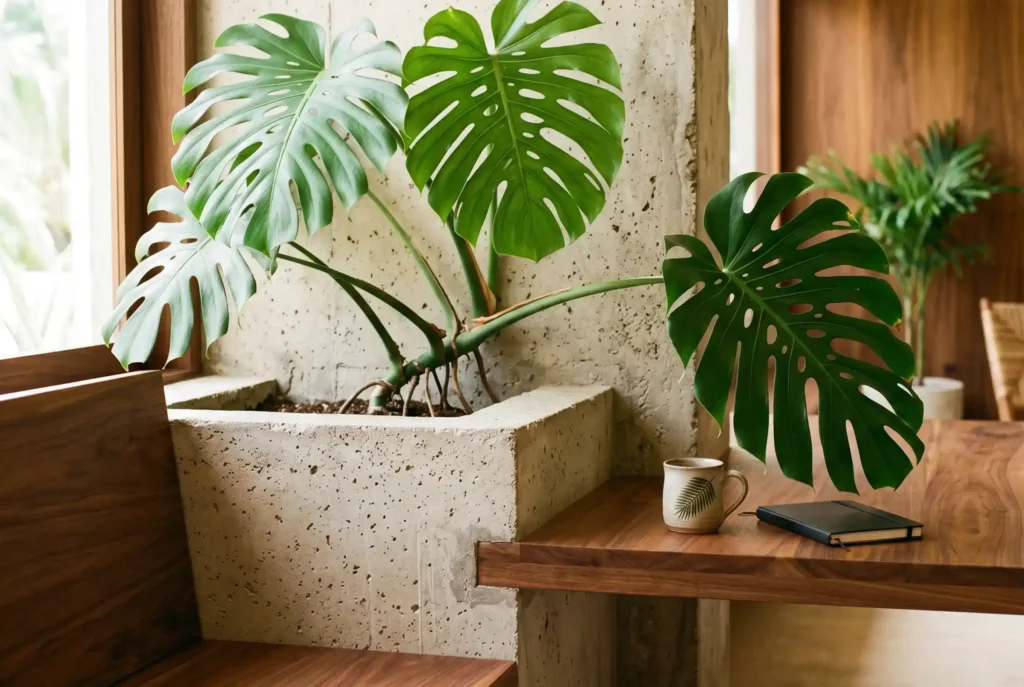
The dark color palette and warm materials. The hotel’s aesthetic—dark colors, wood, terracotta, and natural fabrics—reduces visual stimulation. It’s the opposite of bright, white lobbies that trigger the body’s alarm system. A space with this color palette signals to the brain that there is no threat, that it can let its guard down.
Natural light. The guest rooms and common areas at Café Hotel make the most of the natural light in El Poblado. This light changes throughout the day, helping to keep your circadian rhythm in sync and promoting a good night’s sleep.
The rooftop terrace. A direct connection to the outdoors, to the El Poblado skyline, to the sky and the fresh air. For a guest returning from days of travel or intense work, this space offers a restorative experience that is anything but metaphorical.
The article on biophilic design in hotels in El Poblado explores in greater detail how these principles are applied in the specific context of the neighborhood.
Why this matters to the experiential traveler
The experiential traveler isn’t looking for the biggest or cheapest hotel. They’re looking for a place with its own character, one that feels authentic, and that adds something to the travel experience rather than just being a place to store their luggage.
For that demographic, the architecture and design of the space are key factors in their decision. A hotel that authentically integrates nature—one with a real garden rather than plastic plants in the lobby, and that uses materials that age well instead of surfaces that deteriorate—says something about its approach to hospitality.
Café Hotel is located at Las Lomas 1, a five-minute walk from Lleras Park, on a residential street. This location allows for a garden that a hotel on the main avenue could not maintain. The location and the design complement each other.
If you want to better understand how silence, light, and nature play a role in the Café Hotel experience, this article explores that from the inside.
Medellín: A City of Architecture
Medellín has a special relationship with architecture. The city invested in well-designed public infrastructure—the Metrocable, Parque Explora, the Botanical Garden, and the España libraries—as part of its urban transformation. That culture of well-designed spaces also permeated private architecture.
El Poblado is home to some of the city’s most interesting residential and hotel projects. For European or North American travelers with an appreciation for architecture, Medellín offers more than most people expect.
How to book
Direct reservations can be made at cafehotel.com.co. Airport transfers are available upon confirmation of your stay.